


One of the most common questions I get is, What is the difference between web2 and web3? What is Mighty Block doing to onboard users to web3 ? What is the road to web3?
As an introduction I gather information and wrote the following summary:
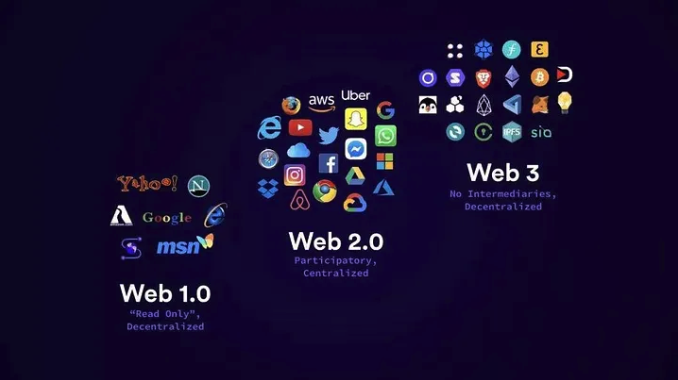
Web2 and Web3 are two different generations of the World Wide Web. Web2 is characterized by a stronger emphasis on user participation, collaboration, and sharing. In contrast, Web3 is characterized by a greater emphasis on decentralization, user control, and the integration of new technologies like blockchain and artificial intelligence.
Web2 has had a profound impact on the way we use the internet. It has made the web more interactive, collaborative and social. This has led to a wider range of possibilities for how we can use the web to learn, communicate, and share information.
Web3 is still in its early stages of development, but it has the potential to revolutionize the way we use the internet. It could make the internet more open, transparent, and democratic. It could also lead to the development of new and innovative applications that we can’t even imagine today.
So, what is the road to web3 from web2?
Let’s start with, what is web2
The term “web2” describes the second generation of the World Wide Web, characterized by a stronger emphasis on user participation, collaboration, and sharing. Web2 websites enable users to interact with both each other and the website content in a more meaningful way compared to earlier web technologies.
Some of the key features of web2 websites include:
- User-generated content: Websites allow users to create and share their own content, such as blog posts, photos, and videos. Users can share this content with other users on the website, or they can make it public for anyone to see.
- Collaboration: Websites allow users to collaborate with each other on projects and tasks. Features such as forums, wikis, and social media enable this.
- Social networking: Websites allow users to connect with each other and form online communities. Users can accomplish this through features like social media, user profiles, and friend lists.
Some of the most popular web2 websites include:
- YouTube: A video-sharing website where users can watch, upload, and share videos.
- Facebook: A social networking website where users can connect with friends and family, share photos and videos, and join groups.
- Twitter: A microblogging platform where users can post short messages, or “tweets,” to their followers.
- Wikipedia: Volunteers edit a free online encyclopedia.
- Google Docs: A cloud-based word processing application that allows users to collaborate on documents in real time.
Then, What is web3
Web3 represents the third generation of the World Wide Web, marked by a stronger emphasis on decentralization, user empowerment, and the incorporation of innovative technologies like blockchain and artificial intelligence.
Web3 is still in its early stages of development, but it has the potential to revolutionize the way we use the internet. Some of the key features of web3 include:
- Decentralization: Decentralized networks build applications, which implies that no single entity controls them. This makes them more resistant to censorship and gives users more control over their data.
- User control: In web3 applications, users have the capability to own their personal data and exercise control over its usage. This is in contrast to web2 applications, where users typically give up control of their data to the companies that provide the services.
- New technologies: Applications use new technologies such as blockchain and artificial intelligence to provide new and innovative features. For example, blockchain can be used to create secure and tamper-proof records, while artificial intelligence can be used to personalize user experiences.
Web3 has the potential to make the internet more open, transparent, and democratic. It could also lead to the development of new and innovative applications that we can’t even imagine today.
Here are some examples of web3 applications:
- Decentralized finance (DeFi): DeFi applications allow users to access financial services without the need for a central authority. For example, users can lend and borrow money, trade cryptocurrencies, and earn interest on their deposits without the need for a bank. The smart contracts have a principal role here.
- Non-fungible tokens (NFTs): are digital assets characterized by their uniqueness and inability to be replaced. They serve as representations for a wide range of items, including artwork and in-game assets. NFTs are securely stored on the blockchain, making them resistant to tampering and ensuring their security.
- The metaverse: Web3 developers are building the metaverse to allow users to interact with each other and with digital content in a more immersive way.
Advantages and Disadvantages
Web2
Advantages:
- User-generated content: web2 websites allow users to create and share their own content, such as blog posts, photos, and videos. Users can share this content with other users on the website, or they can make it public for anyone to see.
- Collaboration: web2 websites allow users to collaborate with each other on projects and tasks. Users can do this through features such as forums, wikis, and social media platforms.
- Social networking: web2 websites allow users to connect with each other and form online communities. Users can do this by using features such as social media, user profiles, and friend lists.
Disadvantages:
- Data privacy: Web2 websites often collect users’ data, which can be used for advertising or other purposes. This can raise concerns about data privacy.
- Security: web2 websites can be vulnerable to security attacks, which can lead to data breaches or other problems.
- Censorship: web2 websites can be censored by governments or other organizations. This can limit the free flow of information.
Web3
Advantages:
- Decentralization: Web3 developers build web3 applications on decentralized networks so that they are not controlled by any single entity. This makes them more resistant to censorship and gives users more control over their data.
- User control: web3 applications allow users to own their data and control how it is used. This is in contrast to web2 applications, where users typically give up control of their data to the companies that provide the services.
- New technologies: web3 applications use new technologies such as blockchain and artificial intelligence to provide new and innovative features. For example, blockchain can be used to create secure and tamper-proof records, while artificial intelligence can be used to personalize user experiences.
Disadvantages:
- Early stage: web3 is still in its early stages of development, which means that there are a limited number of applications available.
- Complexity: web3 applications can be complex to internet users, which could limit their adoption.
- Security: web3 applications are still relatively new, which means that they may be vulnerable to security attacks. Even if they are blockchain based.
| Feature | web2 | web3 |
| User-generated content | Yes | Yes |
| Collaboration | Yes | Yes |
| Social networking | Yes | Yes |
| Decentralization | No | Yes |
| User control | No | Yes |
| New technologies | No | Yes |
| Early stage | No | Yes |
| Complexity | No | Yes |
| Security | No | Yes |
Overall, web3 has the potential to be a more open, transparent, and democratic internet. However, it is still in its early stages of development, and there are a number of challenges that need to be addressed before it can reach its full potential.
What is the road to web3, what is needed?
There are a number of things that need to happen to build the road to web3, and in order to accelerate the process of moving from web2 to web3. These include:
- Increased adoption of decentralized technologies: web3 is built on decentralized technologies, such as blockchain and peer-to-peer networks. Users and developers need to adopt these technologies in order for web3 to become mainstream.
- Improved user experience: web3 applications can be complex and difficult to use. Developers need to make these applications easier to use to attract a wider audience.
- Increased investment: web3 development is still in its early stages, and it needs investment in order to grow. This investment can come from governments, businesses, and individuals.
If these things happen, then the road to web3 will accelerate. web3 has the potential to revolutionize the way we use the internet, and it is important that we do everything we can to make it a reality.
Here are some additional things that could help accelerate the process of moving from web2 to web3:
- Government support: Governments could support the development of web3 by providing funding for research and development, and by creating a regulatory environment that is favorable to decentralized technologies.
- Industry collaboration: Businesses and organizations could collaborate to develop and promote web3 applications. This could help to create a critical mass of users and developers, which would make it easier for web3 to gain traction.
- Public education: The public needs to be educated about the benefits of web3. This could help to create demand for web3 applications, and it could also help to address some of the concerns that people have about decentralized technologies.
The move from web2 to web3 is a complex process, but it is one that has the potential to make the internet more open, transparent, and democratic. By taking the steps outlined above, we can help to accelerate this process and make web3 a reality.
Challenges that need to be addressed before web3 can reach its full potential:
- Security: web3 applications are still relatively new, and they may be vulnerable to security attacks.
- Complexity: web3 applications can be complex and difficult to use. This could limit their adoption by a wider audience.
- Regulation: Governments are still trying to figure out how to regulate web3 applications. This could slow down the adoption of web3.
Despite these challenges, web3 has the potential to revolutionize the way we use the internet. By addressing the challenges that need to be addressed, we can help to make web3 a reality.
Reasons why to move from web2 to web3:
- Web3 has the potential to revolutionize the way we use the internet. Unlike web2, which is controlled by a small number of companies, web3 is decentralized, meaning that no single entity controls it. This decentralization can prevent censorship, address data privacy concerns, and promote innovation. This can lead to a more open, transparent, and democratic internet.
- There is a growing demand for web3 solutions. The growing awareness of the benefits of web3 is leading to an increased demand for products and services built on web3 technologies. Several factors are driving this demand, including the surge in cryptocurrency usage, the expansion of the decentralized finance (DeFi) market, and the rising popularity of non-fungible tokens (NFTs).
- The web3 market is still in its early stages of development. This means that there is a lot of opportunity to get involved and make a significant impact. The web3 market is also very capital-intensive, meaning that there is a lot of money available to fund startups that are working on web3 solutions.

At Mighty Block our focus is to help onboard the next billion users to web3 and we are building the road to web3 to do so.
Let me know if this summary has helped you understand the differences between web2 and web3 and has brought you one step closer to travel the road to web3 !
We are always looking for Web3 talent !
Mighty Block is one of the partners of Forte, a platform to enable game publishers to easily integrate blockchain technologies into their games. We believe blockchain will enable new economic and creative opportunities for gamers around the world and have assembled a team of proven veterans from across the industry (Kabam, Unity, GarageGames, ngmoco, Twitch, Disney), as well as a $100M developer fund & $725M funding, to help make it happen. That’s where you come into play.
Feel free to browse all our current open job opportunities in the following link 👇


2 Comments